
Owning a classic vehicle is not just a passion; it is an investment in history and craftsmanship. The unique character of antique cars often lies in their intricate interior designs, which require special care to preserve their original beauty. Proper cleaning techniques tailored for vintage materials are essential to maintain the aesthetic and functional qualities of these timeless treasures.
The interior of an antique vehicle can include a variety of materials, such as leather, wood, and fabric, each requiring distinct cleaning methods. Understanding these differences is crucial for any classic car enthusiast aiming to restore or maintain their vehicle’s charm. From choosing the right products to applying gentle techniques, this guide will help you navigate the best practices for keeping your classic car’s interior in pristine condition.
With the right approach, you can ensure that the interior of your antique vehicle remains not only visually appealing but also retains its value over time. Join us as we explore essential tips and techniques for effective interior cleaning that will help you honor the legacy of your classic automobile.
Selecting the Right Products for Authentic Materials
When it comes to cleaning the interiors of classic vehicles, choosing the right products for authentic materials is crucial. Antique cars often feature unique upholstery, wood trims, and other delicate surfaces that require specialized care. Using inappropriate cleaning agents can lead to damage or degradation, detracting from the vehicle’s historical value.
First, identify the materials present in your vehicle’s interior. Common materials include leather, vinyl, fabric, and various types of wood. Each material has its specific cleaning requirements and responds differently to various products. For instance, leather requires pH-balanced cleaners and conditioners to prevent cracking and fading, while vinyl surfaces may benefit from a gentle detergent designed for automotive use.
Next, consider using gentle formulations that are free from harsh chemicals and abrasives. Many classic car enthusiasts recommend products specifically engineered for vintage vehicles. Look for cleaners that are labeled safe for use on the respective materials found in your vehicle.
For upholstery and carpets, opt for products that focus on stain removal without compromising the integrity of the fabric. Steam cleaning or dry cleaning services may be advisable for more extensive cleaning needs, ensuring that dirt and grime do not damage the fibers.
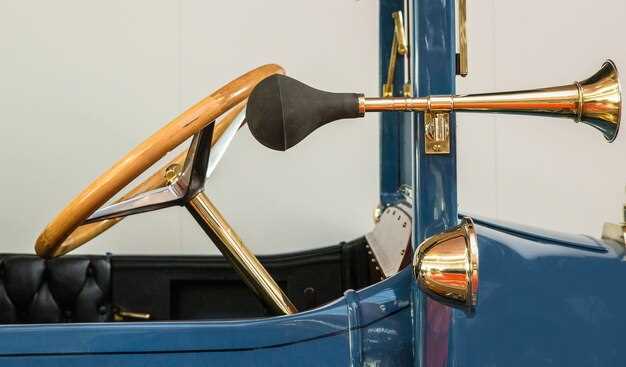
When dealing with wooden accents, employ natural oils and waxes that nourish the wood without stripping away its finish. Avoid water-based cleaners, as they can lead to swelling or warping over time. A light touch is essential; use a soft cloth to apply products sparingly, enhancing the wood’s natural beauty.
In summary, maintaining the interiors of classic vehicles involves a considered approach to selecting cleaning products. Prioritize the authenticity and integrity of materials by using gentle, specialized cleaners tailored for each type of surface. Proper care not only preserves the aesthetics but also ensures a lasting connection to automotive history.
Step-by-Step Techniques for Cleaning Various Interior Surfaces
Cleaning the interior of antique vehicles requires careful attention to detail to preserve the materials and ensure longevity. Follow these step-by-step techniques tailored for different surfaces inside your classic car.
1. Upholstery Cleaning: Begin by vacuuming the upholstery to remove loose dirt and debris. Use a soft brush attachment to avoid damaging delicate fabric. For stains, apply a gentle upholstery cleaner or a mixture of mild soap and water. Test any cleaning solution on a hidden area first. Use a microfiber cloth to gently blot the stain, avoiding rubbing, which can push dirt deeper into the fibers. Rinse with a damp cloth and air dry.
2. Leather Care: For leather seats, start by vacuuming to remove any dust. Use a pH-balanced leather cleaner and a soft cloth to wipe down the surfaces. Apply the cleaner evenly, and don’t forget to get into seams and crevices. After cleaning, use a leather conditioner to maintain suppleness and prevent cracking. This step is crucial for preserving vintage leather.
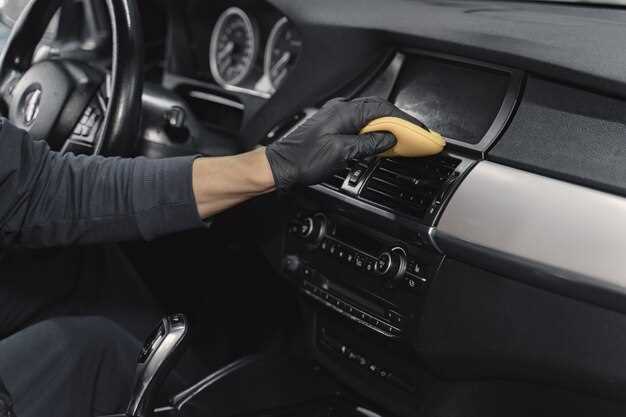
3. Dashboard and Console Cleaning: Dust the dashboard and console using a microfiber cloth. For stubborn grime, mix equal parts of water and vinegar in a spray bottle, lightly mist the surface, and wipe clean with a soft cloth. Avoid using harsh chemicals, as they can damage finishes. To protect against UV damage, consider applying a dedicated dashboard protectant.
4. Window and Mirror Cleaning: Use a glass cleaner suitable for automotive interiors to avoid streaks and damage. Spray the cleaner onto a microfiber cloth rather than directly on the glass to prevent overspray on other surfaces. Wipe in a circular motion, and finish with a clean, dry cloth for clarity.
5. Carpets and Floor Mats: Vacuum the carpets thoroughly, removing any mats for separate cleaning. For deep stains, use a carpet cleaner and scrub gently with a soft-bristle brush. Rinse with a damp cloth, and let it air dry completely before replacing mats. Regular cleaning helps prevent dirt accumulation and preserves the original material.
By following these techniques, you will ensure that the interior surfaces of your antique vehicle remain clean and well-maintained, reflecting the beauty of its timeless design.
Maintenance Tips to Preserve Interior Quality Over Time
Maintaining the interior of a classic vehicle requires consistent care and attention. Regular cleaning can not only enhance the aesthetic appeal but also prolong the lifespan of materials used in the vehicle’s cabin. Here are some essential tips to ensure your antique vehicle’s interior remains in excellent condition.
1. Regular Dusting: Use a soft microfiber cloth to gently dust surfaces. This prevents dirt buildup, which can lead to scratches over time. Pay special attention to crevices and seams where dust tends to accumulate.
2. Upholstery Care: For fabric upholstery, use a vacuum cleaner with a brush attachment to remove loose debris. You can also employ fabric cleaners specifically designed for vintage materials. For leather seats, condition them regularly with a quality leather conditioner to prevent cracking and fading.
3. Sun Protection: Direct sunlight can cause fading and deterioration of interior materials. Consider using window shades or a car cover when parked for extended periods. Parking in shaded areas or garages is an excellent way to further protect your classic vehicle’s interior.
4. Cleaning Agents: Always use cleaning products that are safe for the specific materials in your vehicle. Avoid harsh chemicals that can damage surfaces. A gentle, pH-balanced cleaner is often ideal for delicate finishes.
5. Spot Cleaning: Address spills and stains promptly to prevent them from setting in. Use a damp cloth for immediate clean-up and follow with an appropriate cleaner depending on the type of material affected.
6. Condition and Protect: Regularly apply protectants to vinyl and plastic surfaces to maintain their sheen and prevent cracking. These products create a barrier against UV rays and dirt, ensuring that your classic vehicle looks its best.
7. Moisture Control: Excess moisture can lead to mold and mildew growth, which is particularly damaging to vintage materials. Use silica gel packs or desiccants in enclosed spaces to absorb humidity, especially during storage.
By incorporating these practices into your maintenance routine, you can preserve the interior quality of your classic vehicle and enjoy its beauty for years to come.

