

As the seasons change, many classic car owners face the inevitable decision of storing their beloved vehicles for the winter months. Proper maintenance and care during this period is essential to ensure your classic car remains in top condition for years to come. To avoid potential issues that may arise during extended periods of non-use, a thorough checkup is critical.
Before placing your classic car into storage, it is important to follow a comprehensive checklist that addresses all vital aspects of the vehicle. This checklist not only protects the mechanical integrity of the car but also safeguards its aesthetic appeal. The steps involved can significantly reduce the risk of rust, battery failure, and other common problems that could arise from prolonged inactivity.
With a well-thought-out maintenance routine in place, you can rest assured that your classic car is well-prepared to hibernate. Taking the time to conduct a meticulous checkup will ultimately pay off, allowing you to unveil your prized possession in pristine condition when the time comes to return to the open road.
Inspect and Prepare the Engine for Storage

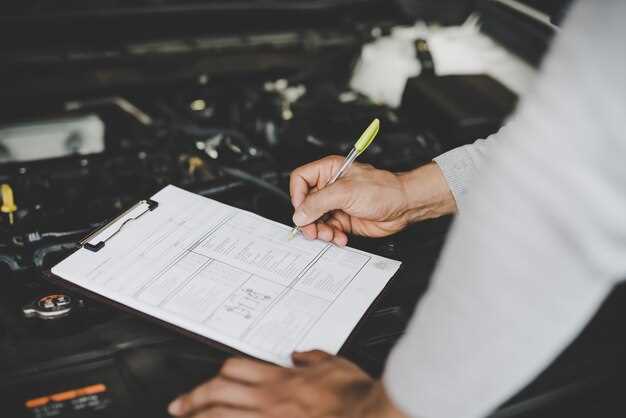
Before placing your classic car into long-term storage, it is crucial to inspect and prepare the engine to ensure it remains in optimal condition. A well-maintained engine will help prevent complications when you are ready to bring your vehicle back to life.
Start by checking the engine oil. Change the oil and replace the oil filter to remove contaminants that can cause damage over time. Fresh oil provides better lubrication and helps to prevent rust inside the engine during the storage period.
Next, inspect the coolant system. Ensure the coolant is at the right level and replace it if it appears degraded. Using a mix of antifreeze, it will protect the engine from freezing temperatures and corrosion.
Examine the batteries. Disconnect and remove the battery, cleaning the terminals to avoid corrosion. Store it in a cool, dry place, and consider using a battery maintainer to keep it charged during the storage period.
Check the fuel system. If your vehicle has a carbureted engine, add a fuel stabilizer to the tank. For fuel-injected engines, fill the tank to prevent condensation and treat with a stabilizer. Both methods help to protect the fuel system from deteriorating over time.
Inspect all belts and hoses for wear or cracks. Replace any damaged components to avoid failures when you start the engine after storage. Additionally, consider applying a light coat of oil to the rubber parts to prevent drying out.
Finally, to protect against internal engine corrosion, consider manually rotating the engine every few months if possible. This action distributes oil and helps maintain proper lubrication of the internal components.
By taking the time to thoroughly inspect and prepare the engine for storage, you increase the likelihood of a smooth re-introduction to the road and extend the longevity of your classic car.
Preserve the Exterior with Proper Washing and Waxing
Before storing your classic car, it is crucial to ensure that the exterior is thoroughly cleaned and protected. A proper washing routine removes dirt, grime, and potential contaminants that can lead to paint damage during storage. Start by using a gentle car soap and water, utilizing a soft sponge or microfiber cloth to avoid surface scratches. Pay special attention to any areas where dirt may accumulate, such as wheel wells and undercarriages.
Once the vehicle is clean, drying it completely is essential to prevent water spots and corrosion. A microfiber drying towel is ideal for this task, as it absorbs moisture without scratching the paint. After drying, inspect the exterior for any signs of damage, including scratches or dents, and address these issues before moving on to waxing.
Waxing your car forms a protective barrier against environmental elements such as dust, UV rays, and moisture during the storage period. Choose a high-quality car wax specifically formulated for your vehicle’s paint type. Apply the wax evenly using a foam applicator, working in small sections to ensure complete coverage. Allow the wax to dry according to the manufacturer’s instructions, and then buff it off with a clean microfiber cloth for a shiny, protective finish.
By following these steps, you not only enhance the car’s appearance but also help preserve its exterior while in pre-storage mode. Regular maintenance and proper care can significantly extend the life of the vehicle’s paint and overall condition, making it ready to shine again when the storage period ends.
Secure the Interior Against Damage and Pests
Before storage, it is essential to protect your classic car’s interior from potential damage and pests. Begin by removing all personal items, ensuring that the space is clean and free from clutter. Vacuum the carpets, seats, and any crevices to eliminate debris that could attract pests.
Next, consider using a high-quality upholstery cleaner to treat any stains on fabric surfaces. This not only enhances the car’s appearance but also prevents the growth of mildew during storage. For leather interiors, apply a suitable conditioner to keep the material supple and avoid cracking.
After cleaning, cover seats with breathable fabric or specific car covers designed for interiors. Avoid plastic covers, as they can trap moisture and lead to mold. Ensure that windows are closed tightly, and doors are securely locked to deter rodents and pests.
To further safeguard the interior, place pest deterrents such as traps or natural repellents within the cabin. Products containing cedar or peppermint can be effective without harming the vehicle’s surfaces. Additionally, consider using a dehumidifier or leaving silica gel packs in strategic locations to absorb excess moisture.
By taking these pre-storage measures, you will not only maintain the integrity of your classic car’s interior but also prevent costly repairs caused by pests and environmental factors.

