
Creating a captivating portfolio for your show car is essential for showcasing your automotive masterpiece to potential buyers or judges at competitions. A well-curated portfolio not only highlights the unique features and modifications of your vehicle but also tells the story behind its creation and journey. Through carefully selected photos and descriptive content, you can effectively present your car’s personality and craftsmanship.
To start, it’s important to think about the elements that will engage your audience. Feature high-quality photos that capture the beauty and details of your show car from various angles. Include shots that display the exterior, interior, and any custom enhancements. Pair these images with narrative captions to provide context and share insights into the design and modifications that make your car stand out.
Additionally, consider incorporating information about the car’s history, the inspiration behind its build, and any awards or recognitions it has received. By combining stunning visuals with compelling storytelling, your portfolio will not only impress viewers but also enhance your car’s value in the competitive show circuit.
Selecting the Right Photography Style for Your Show Car
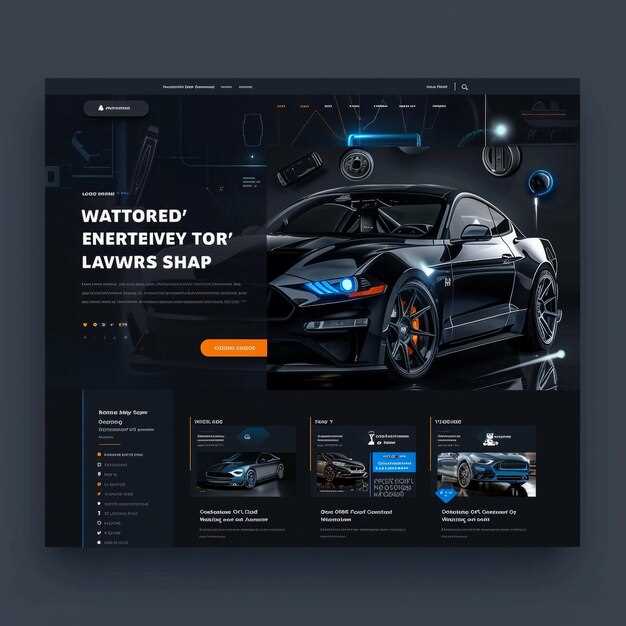
Choosing the appropriate photography style is crucial for effectively showcasing your show car. The right style enhances the vehicle’s features and captivates potential viewers. Here are some styles to consider:
- Editorial Photography
This style focuses on telling a story. It often captures the car in various settings, showcasing its design and context within the automotive world.
- Product Photography
Ideal for highlighting specific details of the car, this style uses controlled lighting and angles to showcase features like paintwork, interior design, and custom modifications.
- Action Photography
Captures the car in motion, emphasizing its performance capabilities. This style is effective for show cars meant to convey speed and power, often utilized during events and exhibitions.
- Lifestyle Photography
This approach integrates the car into everyday scenarios, showcasing how it fits into the owner’s lifestyle. It creates a connection between the audience and the car.
- Night Photography
Utilizing nighttime settings with city lights or landscapes, this style adds drama and allure. The car can shine under artificial lighting, highlighting its outlines and features.
When selecting a style, consider the following:
- Purpose of the Portfolio
Identify whether the goal is to attract buyers or simply to showcase the car’s beauty. This can influence the choice of style.
- Car Features
Different features may be best highlighted by specific styles. For example, chrome accents may be better showcased in product photography.
- Location Selection
The chosen photography style may dictate ideal locations. For example, action photography may require open roads, while lifestyle photography may benefit from urban environments.
Ultimately, the selected photography style should reflect your show car’s personality and appeal to your target audience. Prioritize clarity, creativity, and coherence to create a stunning portfolio.
Key Tips for Capturing Attention-Grabbing Images
When photographing your show car, the primary goal is to highlight its unique features and craftsmanship. Start by choosing the right location. Look for scenic backdrops or interesting architectural elements that can complement your vehicle without overpowering it.
Lighting plays a crucial role in the quality of your photos. Early morning or late afternoon, often referred to as the golden hour, provides soft and warm natural light that enhances the car’s colors and details. Avoid harsh midday sunlight, which can create unwanted shadows.
Utilize various angles to showcase your car effectively. Capture shots from low angles to emphasize its stance and presence. Experiment with high angles to provide a unique perspective. Wide shots that include the environment can also enhance the narrative of your photos.
Pay attention to composition. Use the rule of thirds to create balanced images. Position the car off-center and allow negative space to draw focus to the vehicle. Framing your shot with natural elements, such as trees or buildings, can also add depth.
Detail shots are essential in capturing the car’s intricate features. Focus on unique aspects like the interior, engine, or custom modifications. Close-up photos can tell a story and engage viewers, making them appreciate the craftsmanship involved.
Lastly, remember to keep the car clean and polished before shooting. A well-maintained vehicle shines in photos, reflecting the care and passion you have for it. Investing time in preparation can significantly enhance the final results.
Organizing and Presenting Your Portfolio for Maximum Impact
Creating a standout portfolio for your show car involves not only capturing the perfect photos but also presenting them in an organized manner that highlights the vehicle’s features and craftsmanship. Start by categorizing your photos into specific sections. This could include exterior shots, interior details, engine showcases, and performance highlights. By organizing your portfolio this way, you allow viewers to easily navigate through the various elements of your car.
When selecting photos for your portfolio, focus on high-quality images that capture the essence of your show car. Use natural lighting and different angles to create a dynamic view. Including a few close-up shots of unique features can add personality and showcase the hard work put into the vehicle’s restoration or customization. Consider pairing each photo with a brief description, including details about modifications, materials used, or the inspiration behind the design.
The layout of your portfolio plays a significant role in its impact. Opt for a clean and professional design that allows the photos to take center stage. Whether you choose a digital format or a printed version, ensure that the presentation is aesthetically pleasing and easy to follow. Including a title page with your car’s name and key specifications can set the tone right from the start.
Finally, don’t forget to update your portfolio regularly. As your show car evolves with new modifications or updates, reflect these changes in your portfolio. This continuous improvement will not only keep your presentation fresh but also demonstrate your ongoing commitment to excellence and innovation in the automotive world.

