

When it comes to determining the true value of a classic vehicle, enlisting the expertise of a certified appraiser can make all the difference. A professional appraiser not only provides an unbiased evaluation but also brings extensive knowledge about the intricacies of classic cars, from historical significance to current market trends. Finding the right appraiser is essential to ensure you receive an accurate assessment and, ultimately, the best return on your investment.
To begin your search, it’s important to prioritize appraisers who are certified and have a solid reputation within the classic car community. Look for professionals affiliated with recognized organizations, as this affiliation often indicates a commitment to adhering to industry standards and ethical practices. Additionally, gathering recommendations from fellow classic car enthusiasts or trusted dealers can lead you to qualified appraisers who have a proven track record of excellence.
Once you have a list of potential candidates, take the time to conduct thorough interviews. Ask about their experience specifically with vintage vehicles and inquire about the methodologies they use in their appraisals. A competent appraiser should be able to articulate the factors that influence a vehicle’s value and provide insights into current market conditions. By choosing a knowledgeable and reputable appraiser, you can ensure that you receive a fair and accurate evaluation of your classic vehicle.
How to Verify Credentials and Certification of Classic Car Appraisers
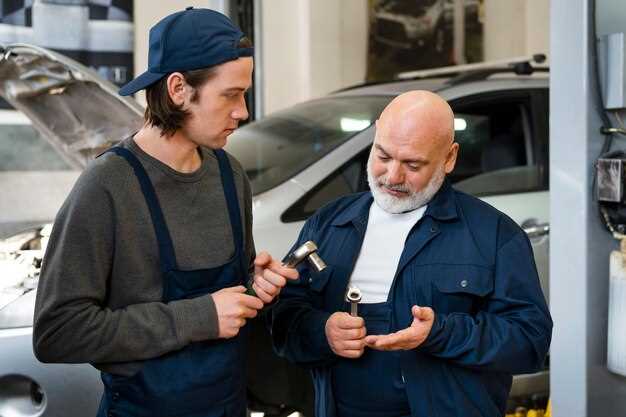
When seeking a qualified classic car appraiser, it is crucial to ensure that they possess the appropriate credentials and certifications. Start by checking for membership in recognized professional organizations, such as the International Society of Appraisers (ISA) or the American Society of Appraisers (ASA). Membership in these organizations often requires a rigorous examination process and ongoing education, reflecting the appraiser’s commitment to maintaining high standards.
Next, inquire about any certifications specifically related to classic cars. An appraiser should ideally hold certifications that demonstrate expertise in vintage automobiles, such as the Certified Appraiser designation. This certification typically entails a specialized curriculum that covers valuation methodologies, market trends, and the specifics of classic car assessments.
Additionally, request references or testimonials from previous clients. A reputable appraiser will be willing to provide the contact information of past customers, who can speak to the appraiser’s reliability and the quality of their evaluations. Make sure to follow up on these references to gain insight into the appraiser’s performance in real-world situations.
Furthermore, review the appraiser’s educational background. Relevant education in fields such as automotive engineering or history, along with specialized valuation courses, can enhance their ability to accurately assess classic vehicles. An appraiser with a solid educational foundation is more equipped to understand the nuances of different car models and their historical significance.
Finally, consider their experience in the classic car market. An appraiser with extensive hands-on experience buying, selling, or restoring classic cars will likely have a richer understanding of the market dynamics, which can significantly improve the accuracy of their evaluations. Look for appraisers who have been active in the industry for several years and have a proven track record.
Questions to Ask Potential Appraisers Before Hiring

When searching for a certified classic car appraiser, it is essential to ask the right questions to ensure you find a qualified professional who can accurately assess the value of your vehicle. Start by inquiring about their credentials and experience. Ask for their certifications, affiliations with professional organizations, and how long they have been appraising classic cars.
Next, discuss their familiarity with your specific make and model. A good appraiser should have in-depth knowledge about the nuances and market trends associated with your particular vehicle. Ask if they have previously appraised similar cars and what their findings were.
It is also beneficial to understand their appraisal process. Inquire about the methods they use to determine the value of a vehicle and what factors they consider during the appraisal. This could include the condition of the car, its history, and market comparisons. A transparent methodology is a sign of a trustworthy appraiser.
Additionally, verify if they provide a written report upon completion of the appraisal. This document should detail the findings, methodology, and a final valuation. Understanding the deliverables will help you assess the value you receive for your investment.
Lastly, discuss fees and payment structures. Ask about their rates, any potential additional costs, and when payment is expected. Being clear on financial matters upfront can prevent misunderstandings and ensure a smoother working relationship.
How to Evaluate Appraisal Fees and Services Offered
When seeking a certified classic car appraiser, a critical step involves evaluating appraisal fees and the services provided. First, compare the fees across multiple appraisers to ensure you are receiving a fair market price. An excessively low fee could indicate a lack of experience or thoroughness, while an unusually high charge may not guarantee superior service. Aim to find a balance that reflects quality and expertise.
Secondly, inquire about the specific services included in the appraisal fee. A reputable appraiser should provide a comprehensive report detailing the vehicle’s condition, history, and market value. Confirm whether the fee covers additional services such as detailed photography, market trend analysis, or consultations regarding classic vehicle preservation and investment potential.
Additionally, consider the appraiser’s credentials and experience with classic vehicles. A higher fee may be justified if the appraiser has specialized training, a solid track record, or recognized affiliations with car clubs or professional appraisal organizations. Always request references and check reviews to gauge the quality of service preceding your engagement.
Lastly, understanding the payment structure is vital. Some appraisers may charge a flat fee, while others may have hourly rates or percentage-based charges depending on the vehicle’s value. Clarifying these aspects early on will help avoid misunderstandings and ensure you make an informed decision regarding your classic car appraisal.

