
For classic car enthusiasts, the quest for authentic parts is paramount to maintaining the vehicle’s integrity and performance. With the resurgence of interest in vintage automobiles, the market has seen a significant influx of counterfeit components that jeopardize the authenticity and value of these cherished machines. Understanding how to distinguish genuine parts from replicas is essential for anyone committed to preserving the heritage of their classic car.
Counterfeit parts can range from deceptively simple components to complex assemblies, all designed to mimic the look and feel of authentic products. However, their inferior quality often leads to subpar performance and can even compromise safety. Hence, car owners must be equipped with the knowledge to assess the authenticity of parts before making a purchase, ensuring their investment retains its historical significance.
In this article, we will explore various methods to identify authentic classic car parts. We will discuss telling signs of authenticity, the importance of provenance documentation, and where to find trusted suppliers. Empowering yourself with this information will not only enhance your classic car experience but also protect the legacy of automotive history.
Recognizing Key Markings and Labels on Genuine Parts
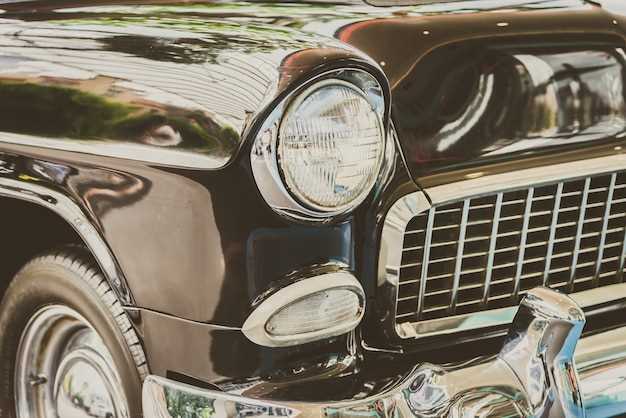
To ensure the authenticity of classic car parts, it is crucial to recognize the key markings and labels that distinguish genuine components from counterfeits. Authentic parts typically bear specific identifiers that reflect both brand integrity and product quality.
Manufacturer Logos: Genuine parts often display the manufacturer’s logo prominently. This logo may be etched, stamped, or printed in a consistent manner across various items from the same producer. Counterfeit parts may have poorly reproduced logos or deviations in design.
Part Numbers: Authentic components usually come with unique part numbers that can be cross-referenced with official catalogues. These numbers serve not only as identifiers but also as a means for verifying compatibility with specific vehicles. Be wary of parts lacking these identifiers or showing inconsistencies.
Certification Marks: Many reputable manufacturers provide certification marks, indicating that the parts adhere to industry standards. Look for symbols or labels from recognized authorities, as these can enhance the authenticity of the parts in question. Counterfeit items rarely possess provided certifications or will display fake seals.
Quality Indicators: Genuine parts often come with labels that highlight the materials used, production processes, or additional features. Such indicators may include holograms, embossed elements, or specific color schemes representative of the brand. Counterfeit parts might lack thorough information on material quality, reinforcing their inauthenticity.
Packaging: Do not overlook the packaging of the parts. Genuine items are typically packaged with care, including detailed information about the product and the company. Counterfeit items may be presented in generic or poorly constructed packaging, lacking the professionalism seen in authentic brands.
By paying close attention to these key markings and labels, enthusiasts and collectors can significantly enhance their chances of identifying authentic classic car parts, ensuring both the quality and authenticity of their prized vehicles.
Evaluating Material Quality and Construction Techniques
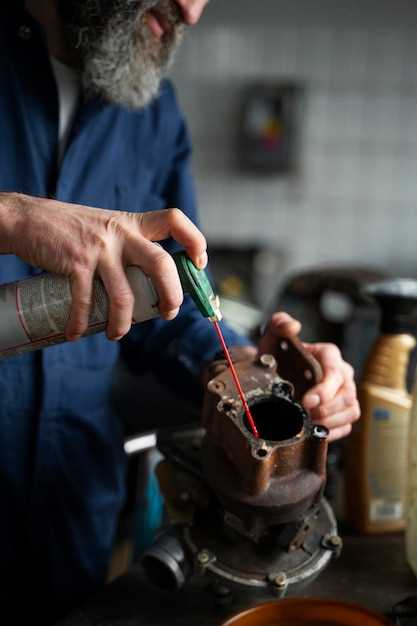
When distinguishing between authentic classic car parts and fake ones, evaluating material quality is crucial. Genuine components are typically made from high-grade materials that offer durability, longevity, and a precise fit. For instance, original metal parts often exhibit uniform thickness and a solid feel, while counterfeit parts may use subpar alloys or plastics that can lead to corrosion or degradation over time.
Another vital aspect to consider is the construction techniques used in manufacturing these parts. Authentic components are often crafted using traditional methods that ensure their integrity and performance, such as die-casting, forging, or precise machining. In contrast, fake parts may be produced with less care, resulting in poor craftsmanship. Look for inconsistent finishes, irregular shapes, or poorly aligned holes, which are common traits of counterfeits.
Furthermore, original components usually have identifying markers or stamps that indicate the manufacturer’s name or part number. These details can provide insights into the authenticity of the part. Fake versions often lack this level of specificity or may display generic branding to mislead buyers. Always verify the part’s history and provenance to ensure you are investing in quality.
In evaluating a classic car part, consider the weight as well. Genuine parts typically have a heft that reflects the quality materials used, while counterfeit items often feel light or flimsy. This difference can significantly affect the part’s performance and longevity, ultimately impacting the overall value of your classic car.
In summary, assessing material quality and construction techniques is essential to avoid fake parts. By paying close attention to these factors, classic car enthusiasts can ensure they maintain the authenticity and integrity of their vehicles.
Utilizing Experts and Resources for Verification
Identifying authentic classic car parts is crucial in preserving the value and integrity of vintage automobiles. Engaging with experts and utilizing available resources can significantly aid in distinguishing genuine components from fake ones.
Here are several methods to effectively verify classic car parts:
- Consulting Experts: Seek out professionals who specialize in classic cars. They often have extensive knowledge about specific makes and models, including rare components. These experts can provide insights into:
- Common counterfeit indicators
- Manufacturing techniques used in original parts
- Typical wear patterns of authentic components
- Historical data regarding production runs
- Utilizing Online Forums: Engaging with classic car enthusiast communities can provide valuable feedback. Consider:
- Joining dedicated forums
- Participating in social media groups
- Reading reviews on suppliers
- Accessing Reference Libraries: Many organizations publish reference materials on classic car parts. These resources can include:
- Original parts catalogs
- Factory service manuals
- Authenticity guides
- Using Third-Party Appraisers: Consider hiring a qualified appraiser for a detailed examination. They can assess parts based on:
- Documentation of the original part
- Condition and restoration quality
- Provenance and history of the component
- Examining Provenance: Investigate the history of the part in question. Authentic parts often come with:
- Documentation proving originality
- Previous sales records or authenticity certificates
- Details about prior installations on vehicles
By leveraging these expert insights and resources, classic car enthusiasts can enhance their ability to identify authentic parts, protecting their investment from fake components that can diminish both value and performance.

