
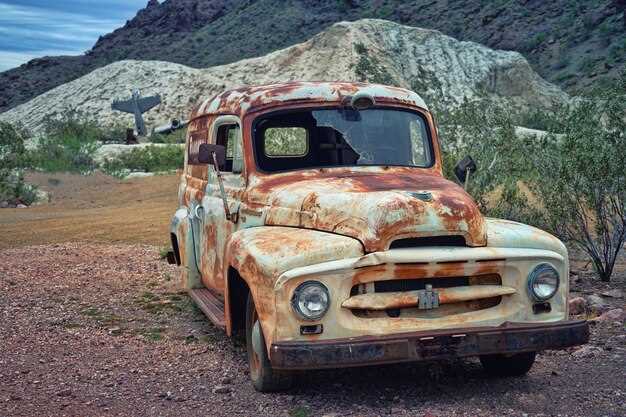
Rust is one of the most formidable enemies of classic vehicles, threatening their structural integrity and aesthetic appeal. For enthusiasts and collectors, preserving the beauty and value of these timeless machines is essential. Effective rust prevention requires a combination of consistent maintenance, protective coatings, and smart storage practices.
Implementing a robust rust prevention strategy can help extend the lifespan of classic cars significantly. Techniques such as regular cleaning, applying rust inhibitors, and sealing vulnerable areas are crucial for safeguarding against corrosive elements. Understanding the unique challenges posed by age and materials in classic vehicles further empowers owners to take proactive measures in their rust prevention efforts.
In this article, we will explore practical tips and techniques for preventing rust on classic vehicles. From choosing the right products to establishing a routine maintenance schedule, we aim to equip collectors and enthusiasts with the knowledge they need to keep their vehicles in pristine condition for years to come.
Preventing Rust on Classic Vehicles: Tips and Techniques
Rust is a significant threat to classic vehicles, often compromising both aesthetic appeal and structural integrity. Effective prevention and maintenance strategies are essential for preserving these cherished automobiles.
First and foremost, regular washing is crucial. Dirt, salt, and grime can trap moisture against the vehicle’s surface, promoting rust development. Thoroughly cleansing the vehicle, especially the undercarriage, will help eliminate these harmful elements. It’s advisable to wash your classic car at least once a month, or more frequently if driven in harsh conditions.
Another vital technique is applying a high-quality wax or sealant. After washing, a protective layer of wax will shield the paint from moisture and pollutants. This barrier prevents water from reaching the metal beneath, significantly reducing the chance of rust formation.
Preventive maintenance is also critical for protecting susceptible areas such as wheel wells, undercarriage, and any seams or joints. Regularly inspect and treat these areas with rust-inhibiting products. Options like oil-based rustproofing, which creates a barrier against moisture, are highly effective in deterring rust.
Storage conditions play a crucial role in rust prevention. Ideally, keep the vehicle in a climate-controlled garage to minimize exposure to humidity and temperature fluctuations. If indoor storage is not an option, consider investing in a high-quality car cover designed to repel moisture while allowing air circulation.
Lastly, keep an eye on the vehicle’s paint condition. Any scratches or chips can expose bare metal to the elements, making rust a likely outcome. Touch up paint imperfections promptly to maintain the integrity of the vehicle’s surface and prevent moisture ingress.
Implementing these tips and techniques will significantly reduce rust’s likelihood on classic vehicles, ensuring they remain in excellent condition for years to come. Regular care and attention are key to preserving the beauty and value of these automotive treasures.
Choosing the Right Coatings and Sealants for Rust Protection
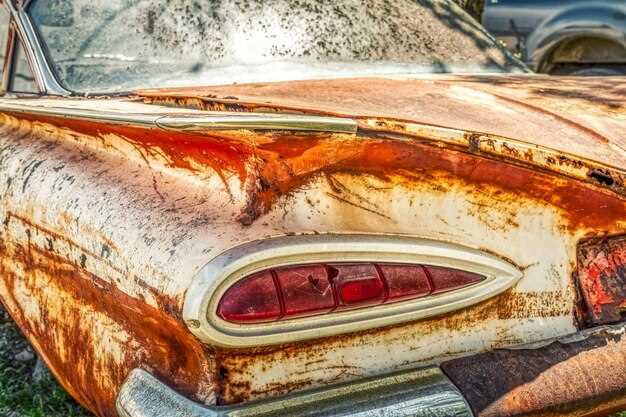
When it comes to preserving the integrity of classic vehicles, selecting appropriate coatings and sealants is crucial for effective rust prevention. The right products create barriers against moisture and corrosive elements, which are primary contributors to rust formation.
One of the most popular options for classic car owners is epoxy-based primers. These primers provide excellent adhesion and a durable surface that protects metal from rust. Additionally, they form a hard coat that is resistant to chemicals, making them ideal for vehicles that may encounter a variety of environmental conditions.
Another effective solution is polyurethane sealants, which are known for their flexibility and durability. They seal joints and seams, preventing water ingress that can lead to rust. These sealants can be painted over, allowing for a seamless finish that maintains the aesthetic appeal of classic vehicles.
Ceramic coatings have gained popularity for their advanced protective properties. They provide a hydrophobic layer that repels water, dirt, and contaminants, effectively reducing the chances of rust formation. These coatings are also resistant to UV rays, ensuring that the paintwork beneath remains intact.
For undercarriage protection, consider using truck bed liner or dedicated underbody coatings. These products are designed to withstand abrasion and corrosion, making them ideal for protecting the vulnerable areas of classic vehicles. They also offer sound-deadening benefits, contributing to a quieter ride.
When selecting rust protection products, it’s essential to choose those that are compatible with the original materials of your classic vehicle. Prioritize coatings that offer long-term protection while ensuring that they align with your restoration goals. Regular maintenance using the right coatings and sealants will significantly enhance the longevity of your classic vehicle, keeping rust at bay.
Regular Inspection Techniques for Identifying Early Signs of Rust
Regular inspection is crucial for the prevention of rust on classic vehicles. By adopting systematic techniques, you can identify early signs of rust and address them before they develop into serious problems.
- Visual Checks:
Conduct thorough visual inspections, focusing on the most vulnerable areas such as wheel wells, undercarriage, and seams. Look for:
- Discoloration in the paint.
- Bubbles or blisters forming under the paint surface.
- Visible rust spots or flakes.
- Touch Tests:
Using your hands, feel for rough patches on metal surfaces. Rust often causes a texture change, indicating underlying issues. Areas to check include:
- Doors and hood edges.
- Body panels beneath the trim or rubber seals.
- Moisture Detection:
Examine areas prone to moisture retention. Indoor storage should be considered to limit exposure to rain and humidity. Regularly check:
- Drain holes for clogs.
- Seals on windows and doors for integrity.
- Examine Chrome and Metal Accents:
Inspect chrome parts and accents as they can often hide rust underneath. Pay attention to:
- Signs of pitting or dullness on chrome surfaces.
- Corrosion on fasteners and brackets.
- Check for Previous Repairs:
Inspect areas where previous bodywork or repairs have taken place. Look for:
- Signs of poor paint adhesion.
- Old patches that may be beginning to rust.
Incorporating these regular inspection techniques will significantly enhance your awareness of rust on your classic vehicle, facilitating timely prevention and preservation efforts.
Seasonal Maintenance Practices to Minimize Rust Risk
Maintaining classic vehicles requires dedication, particularly when it comes to preventing rust. Seasonal maintenance practices play a crucial role in minimizing the risk of corrosion. As temperatures change, it’s important to adapt your approach to protect your vehicle from rust effectively.
During spring, after a long winter, washing your classic car thoroughly is essential. Salt and grime accumulated on the roads can cling to the undercarriage, leading to rust formation. Use a pressure washer for detailed cleaning, ensuring that all hidden areas are addressed. Pay special attention to the wheel wells and underbody.
Summer presents an opportunity to inspect and treat any potential rust spots. Regularly examine your vehicle’s body for any signs of surface rust. Treating these areas promptly with rust-inhibiting primer will prevent further deterioration. Additionally, apply a high-quality wax or sealant to protect the paint surface from UV rays and moisture.
As autumn approaches, it’s vital to prepare your classic vehicle for the coming winter. Consider applying a rust protection spray to the undercarriage and other vulnerable areas. This layer will help shield your car against moisture and salt exposure. Ensure that all drainage holes are clear of debris to allow for proper water runoff.
Winter, while not ideal for driving classic cars, is a time for important maintenance. If the vehicle is stored, keep it in a climate-controlled environment where humidity is minimized. Use breathable car covers to prevent moisture buildup that can lead to rust. Regularly check the stored vehicle for any signs of condensation or dampness, addressing any issues immediately.
By implementing these seasonal maintenance practices, classic vehicle owners can effectively reduce the risk of rust. Proactive care, inspection, and protection are key elements in preserving these automotive treasures for years to come.

