
Maintaining the aesthetic appeal of vintage cars is essential for any classic car enthusiast. One of the most effective methods to ensure the longevity of your vehicle’s paintwork is through proper protection techniques, particularly waxing. This not only enhances the shine of your vintage car but also shields it from environmental damage.
Over time, exposure to UV rays, pollutants, and moisture can take a toll on the delicate paint of classic automobiles. Regular waxing provides a barrier against these harmful elements, preserving the vibrant color and finish. Understanding the right products and techniques for application is crucial to achieving the best results while avoiding any potential damage to the paint.
In this article, we will explore various tips and recommendations for protecting vintage car paint effectively. By implementing these protection strategies, you can enjoy the timeless beauty of your classic car for years to come.
Choosing the Right Wax for Classic Cars
When it comes to preserving the beauty of classic cars, selecting the appropriate wax is crucial. The right product not only enhances the vehicle’s paint but also provides a protective layer against environmental elements. Here are some factors to consider when choosing wax for your vintage automobile.
Type of Wax: There are primarily two types of wax products available: natural and synthetic. Natural waxes, typically made from carnauba, offer a deep, warm shine that many classic car enthusiasts prefer. They enhance the paint while providing moderate protection. Synthetic waxes, on the other hand, deliver superior durability and long-lasting shine, making them ideal for those who want extended protection.
Ease of Application: Waxing can be a labor-intensive process, so it’s essential to choose a product that is user-friendly. Some waxes come in cream or liquid form, making them easier to apply with a microfiber cloth. Others may require buffing with a machine for a more professional finish. Consider your skill level and the tools you have available when selecting a wax.
UV Protection: Classic cars are especially vulnerable to UV damage, which can degrade paint over time. Look for wax products that specifically mention UV protection. This feature will help shield the car’s finish from the sun’s harmful rays, preserving its vivid colors and shine.
Longevity: The lifespan of the wax depends on various factors, including the climate and storage conditions of the vehicle. Synthetic waxes often provide longer-lasting protection compared to natural options. However, be aware that even the best waxes require regular maintenance, so plan for reapplication according to the manufacturer’s recommendations.
Compatibility: Always choose a wax that is compatible with your classic car’s paint type. For instance, single-stage paints often require different care than modern clear-coat finishes. Reading labels and conducting some research will ensure that you don’t harm the existing paint.
By carefully considering these aspects, you can select a wax that will not only enhance the beauty of your classic car but also extend the life of its paint. Regular waxing, combined with proper cleaning and care, will keep your vintage automobile looking its best for years to come.
Step-by-Step Waxing Procedure for Optimal Shine
Start by thoroughly washing the vintage car to remove any dirt or contaminants that could scratch the paint during the waxing process. Use a pH-balanced car shampoo and a soft wash mitt for best results.
Once the car is clean, dry it completely with microfiber towels to prevent water spots. Pay special attention to areas where water can accumulate, such as under the mirrors and in the wheel wells.
Inspect the paint for any imperfections such as swirl marks or scratches. If necessary, consider using a paint correction process before waxing to achieve the best possible shine. This can involve polishing the surface to remove blemishes.
Select a high-quality car wax suitable for your vintage car’s paint type. There are various formulations available, including paste, liquid, and spray wax. Paste wax generally provides the deepest shine and longest-lasting protection.
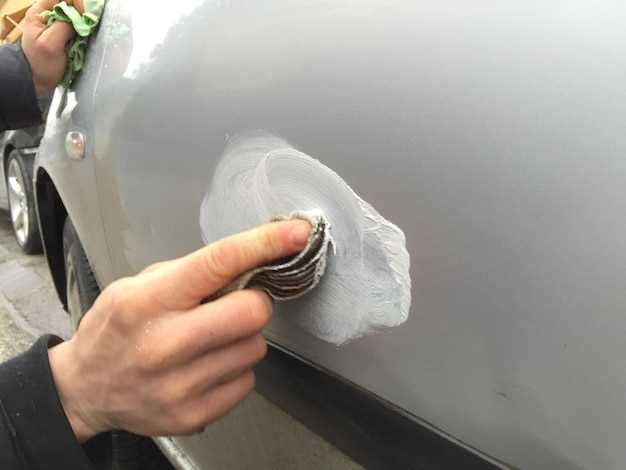
Apply the wax using a foam applicator pad or microfiber cloth. Work in small sections, applying a thin, even layer of wax while using circular motions. This technique helps ensure uniform coverage and maximizes shine.
Allow the wax to set per the manufacturer’s instructions, usually around 5 to 10 minutes. This resting period lets the wax bond to the paint surface for enhanced durability.
Once the wax has cured, buff it off with a clean microfiber towel. Use a separate towel for the final buffing to ensure any remaining residue is removed, revealing a glossy finish.
To maintain the shine, periodically inspect the car’s paint and reapply wax every three to six months, depending on environmental factors and exposure to the elements.
Finally, store the vintage car in a shaded or garage area to protect the wax coating from UV damage and prolong the lifespan of the paint. Regular upkeep will ensure that your investment remains pristine and continues to shine beautifully.
Durable Paint Protection Methods for Long-Term Preservation
Preserving the beauty of vintage car paint requires effective and long-lasting protection methods. One of the most popular methods is the application of high-quality wax. Waxing provides a barrier against environmental contaminants such as UV rays, dirt, and pollutants, which can degrade the paint over time. Regular waxing not only enhances the shine but also aids in repelling water, reducing the risk of water spots and corrosion.
In addition to waxing, paint sealants are a valuable option for long-term protection. Unlike traditional wax, sealants are synthetic products that bond to the paint surface, creating a more durable shield. This protective layer can last several months, offering greater resistance to fading and oxidation. Sealants are particularly effective for vintage vehicles that are stored for extended periods, as they ensure that the paint remains intact against the elements.
Another method to consider is applying ceramic coatings. These advanced protective solutions chemically bond to the clear coat, forming a resilient layer that provides unparalleled protection against scratches, chemicals, and UV light. Ceramic coatings can last for years, making them an ideal choice for collectors looking to maintain the original appearance of their vintage car paint.
Proper washing techniques play a crucial role in preserving paint condition. Using a pH-balanced car shampoo and microfiber cloths minimizes the risk of swirl marks and scratches during cleaning. Moreover, involving a clay bar treatment periodically can remove embedded contaminants that regular washing may not eliminate, ensuring a smooth surface before applying wax or sealants.
Finally, regular inspection and maintenance of the paintwork, including touch-ups for chips and scratches, are essential for long-term preservation. Addressing these issues promptly prevents further damage and maintains the car’s aesthetic appeal. By combining these methods, vintage car owners can achieve durable paint protection that safeguards their investment for years to come.

